I liked to draw before I officially started to learn how to do it better about 18 months ago. I took a ton of drawing classes during my undergrad, so I felt confidant in my ability. This was challenged when I was watching a professional artist do a live stream. He was drawing a character’s head, and someone had asked him how he did it. He said something like: “You need to be able to draw a box; most amateur artists cannot do this, so how are they supposed to draw anything more elaborate?” He then showcased how easy it was for him to draw in the rest of the character’s head once he had put a box in the correct rotation, using it as a guide. I went away from this experience and realized that he was right… I couldn’t draw a box. How was this possible? I got through figure drawing 2 in college! I was excited because I felt like I hit a wall with my art, and the solution seemed incredibly straightforward. Right?
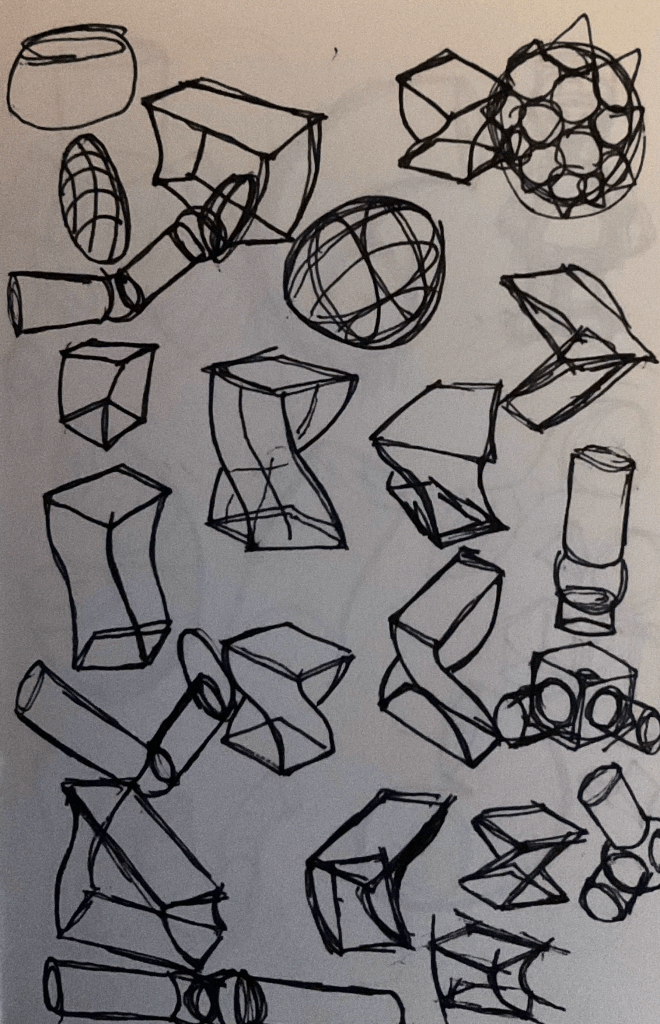
It was at this point that I started to follow the Drawabox program. Drawabox gives you a lot of basic drawing exercises and eases you into drawing 250 boxes correctly. After this, you are pushed to apply construction to multiple different subjects. Many people love Drawabox, but I am not one of those people. My biggest criticism is that the program asks you to spend weeks diligently drawing boxes, but I never felt like I understood any of the boxes that I drew. I think this is partly due to this program purposefully simplifying aspects of perspective to make it more palatable for students who don’t like the nitty-gritty of perspective and have a more intuitive understanding of form.
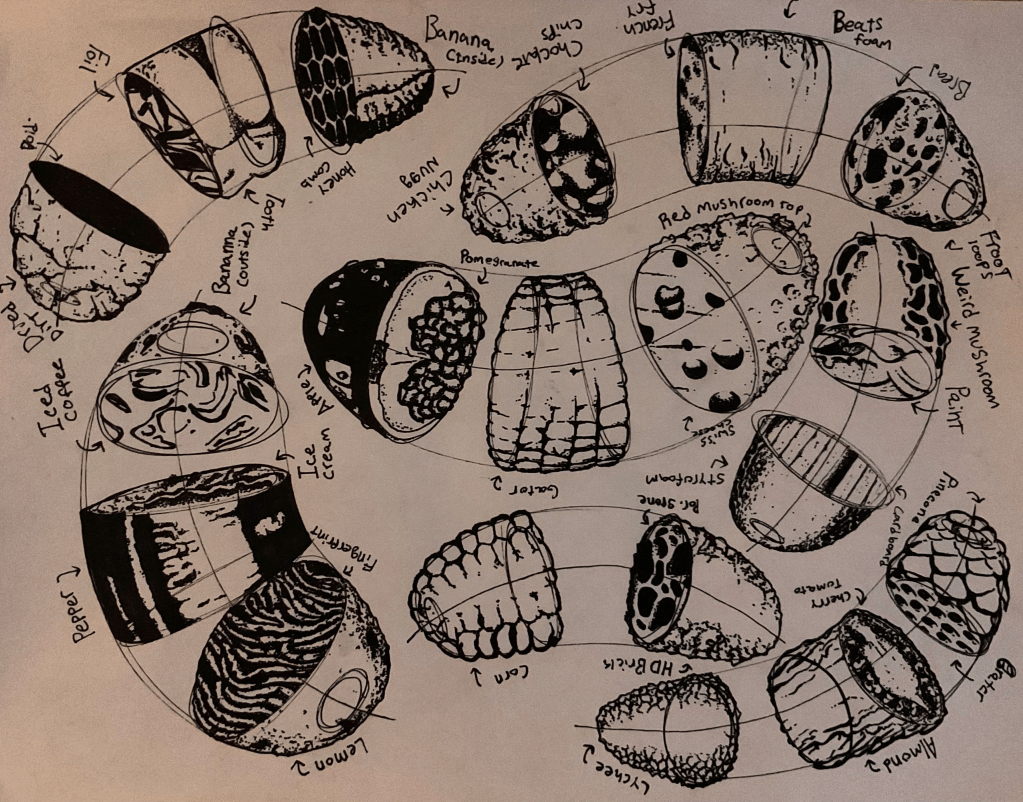
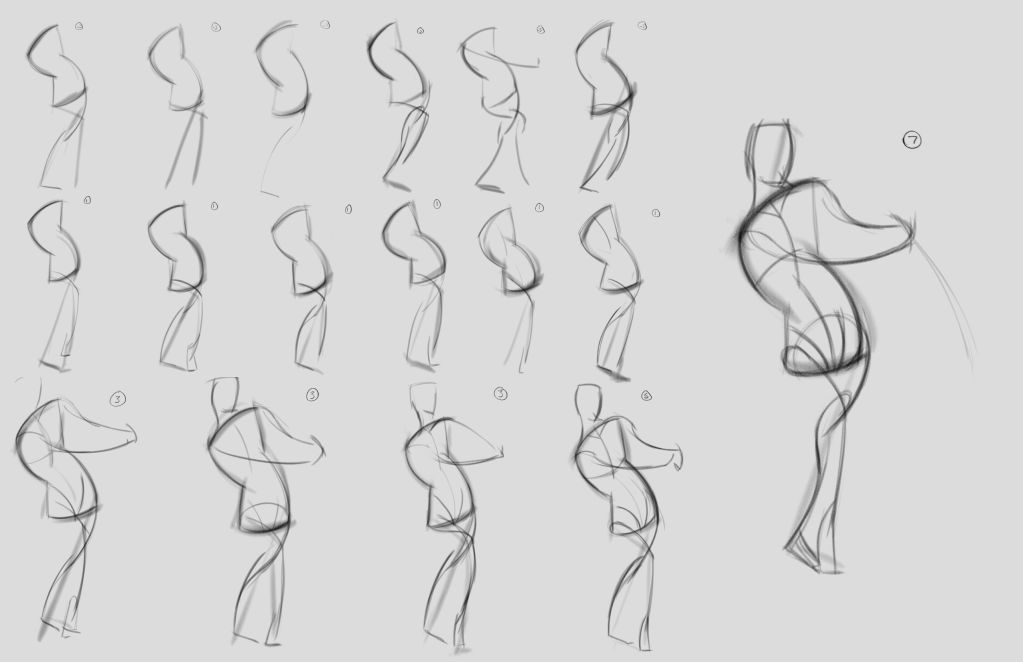
I decided to drop Drawabox and try something different, this is when I found Mike Mattesi and his FORCE approach to gesture drawing. The way Mike breaks down figures is precise, modular, and expressive. This appealed to me as an engineer. When I started getting feedback from Mike, I was embarrassed by my gesture drawings. My gesture drawing improved significantly only a few months later, but I noticed that there was still something lacking from my approach.

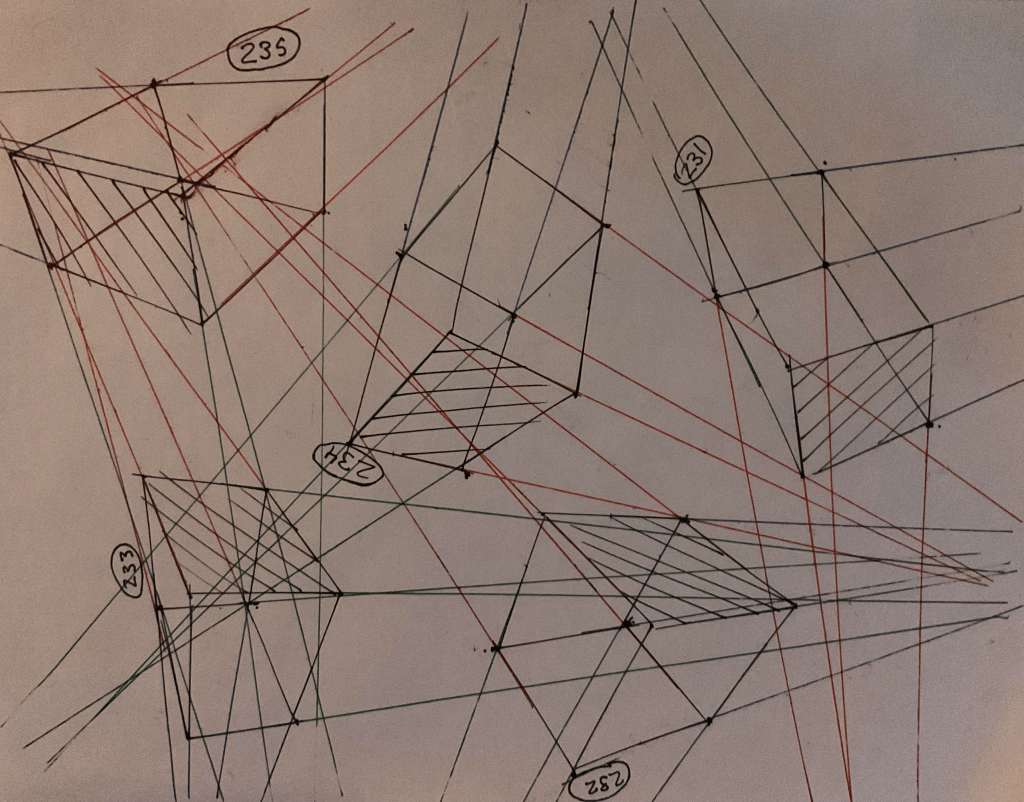
A book I saw recommended a lot was Scott Robertson’s How to Draw. This book is one of the most straightforward yet in-depth guides to learning perspective I have encountered. It is so dense that I am still working through it. I have learned more from this book than all of drawing college courses combined. It was through this book that I was finally able to start understanding how boxes work and how to intuitively rotate them.
Currently, I am combining my FORCE gesture approach with the prospective work I have done, and I continue seeing progress on an (almost) daily basis. I think that everyone is different, but this approach has been great for me. When I started, I used to doubt my drawing ability most days, but I find that as more time goes on, I get better and more confident. I don’t think any art I have produced during this process is bad, but when you get better at something, you start to see how objective it can become. I hope that my objective artistic ability gets to a point where I can produce artwork for studios professionally. Until that day, I am passionately on this path of improvement, hoping to better master the box.

 Matthew Fernandez